They find the damage (homing)
Introduced cells respond to signals from damaged tissue and migrate precisely to the problem area.
 MedBridgeBoao Lecheng · Hainan, China
Cellular medicine · regeneration
Mesenchymal stem cells (MSCs) take part in the body's natural tissue renewal. They are considered when a joint, ligament or tissue is slow to recover and pain relief doesn't address the cause. In Boao Lecheng this is run to an individual plan, after consultation and diagnostics. The physician prescribes the programme.
About the method
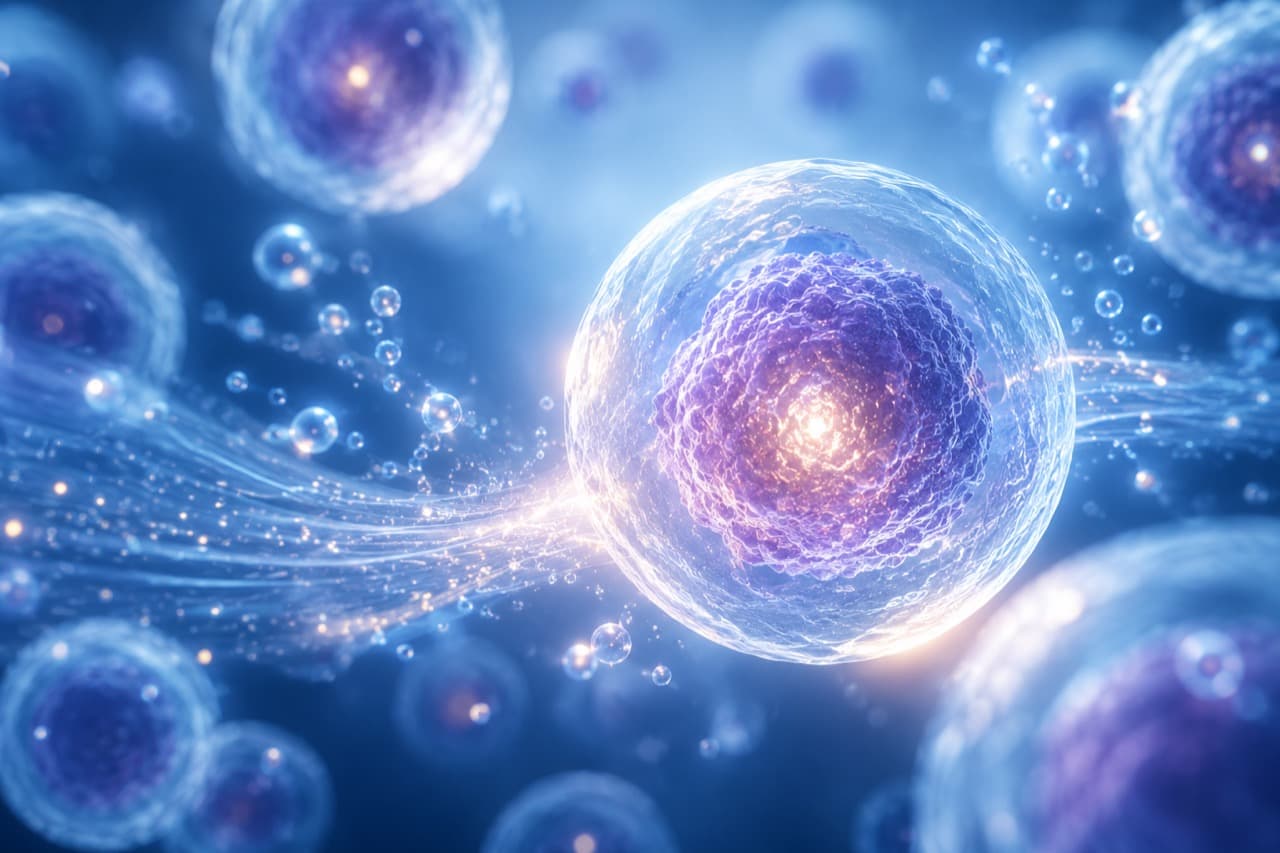
Mesenchymal stem cells are one of the body's key instruments of restoration. They can differentiate into different cell types and respond to signals from damaged tissue, taking part in the regulation of inflammation and repair. For therapy they are obtained by protocol — from blood, adipose tissue, bone marrow or a cord source — then purified and activated in the lab.
The mechanism is subtler than simply “replacing cells.” MSCs act more like a conductor: they release signalling molecules that switch on the body's own repair processes, help calm local inflammation and improve tissue nourishment.
They can be given in different ways: intravenously for a systemic effect, or targeted into a joint, ligament or affected area. The physician chooses the route for your goal.
The science is solid: the role of stem cells in tissue self-repair was discussed as early as Science (1999) and Nature (2007). This is not a guarantee of result — a physician decides whether the method is needed.
How it works
Introduced cells respond to signals from damaged tissue and migrate precisely to the problem area.
The main action isn't “replacing” cells but signalling: MSCs release growth factors that switch on the body's own tissue-renewal processes. In short — they work as a conductor of repair.
They help calm an excessive local inflammatory response — as assessed by a physician.
They support blood supply and trophism (nourishment) in the recovery zone.
Scientific basis
Facts about the method's origin, standards and quality control — what trust is built on. This is not a promise of a result: a physician decides whether it's right for you.
Mesenchymal stem cells (MSCs) have been described and actively studied since the late 1990s; their regenerative potential is a subject of global science.
Isolation, culture and cell control follow GMP protocols, with multi-stage quality checks.
In the cluster the field is considered on strict indications — for regenerative and recovery goals, by the physician's decision.
Status and evidence
Where other clinics print success rates, we print the regulatory status, the level of evidence and what that means for your expectations. Whether the method is used in your case is decided by the hospital's physician.
Cell technologies are used in Boao Lecheng under a permit from the zone's regulator — for a named hospital and named indications, with an ethics committee and a real-world-data platform. The regulator publishes the list of permitted technologies and the hospitals' registered prices.
The only FDA-approved MSC product is Ryoncil (2024), for graft-versus-host disease in children; Japan has Temcell for the same indication; Korea has Cartistem for knee cartilage defects, implanted surgically. For joint injections or systemic infusions in osteoarthritis, diabetes or lung disease, no MSC product is registered in the US, the EU or China.
Knee osteoarthritis: the 2025 living Cochrane review (25 randomised trials, over 1,300 patients) found a small reduction in pain, comparable to other injections, with low-certainty evidence; cartilage regeneration has not been shown. Systemic indications (type 2 diabetes, heart failure, COPD): phase 1–2 data, with modest and often temporary effects.
A realistic goal is less pain and better function for months — not “new cartilage” and not avoiding a joint replacement. Whether the method fits your case, which cells and which protocol, is decided by the hospital's physician from your scans and examination.
The team
Examples of the specialist physicians we work with in this area. The cluster holds several hospitals — the clinic and the specialist are matched to your case. Physicians prescribe and deliver the treatment; MedBridge coordinates the route.
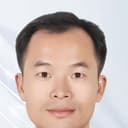 Luo ZhihuaInternal medicine · cellular technologies
A graduate of the University of Science and Technology of China (USTC). Internal medicine, 10+ years in practice; experience with stem cells, NK and CIK. Named “Best Doctor” of the Boao Lecheng zone (2019).
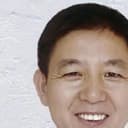 Wang JunchengRegenerative medicine · vascular surgery
Deputy chief physician; a graduate of Zhejiang University, a “highly qualified specialist” of Hainan (2019). Experience with LaViv, PRP, stem and immune cells for joint, nervous-system and anti-age recovery.
Who it's for
Most people who consider this method recognise themselves in situations like these. It's not a prompt for self-treatment — whether it fits your case is decided by a physician after consultation and diagnostics.
Sport, training, an active life — and a joint or your back increasingly limits what you're used to allowing yourself.
You want to address the cause of pain, not mute it with pills for years.
You want to consider a regenerative route before agreeing to surgery — as assessed by a physician.
Old injuries, tendinopathies and slow tissue healing get in the way of living fully.
You want to support joints and tissue early, before a small problem becomes a large one.
The moment
While a joint “copes”, the problem grows quietly — and stem-cell programmes remain out of reach in most countries. Here the regenerative route is open now, lawfully and under oversight. Timing matters: the earlier a physician sees the real state of the tissue, the more options they have. A short visit with diagnostics gives you answers either way.
Why patients consider it
These are reasons for interest in the method, not a promise of outcome: the physician sets the final decision and realistic expectations.
The approach aims to support the body's own processes of tissue repair, nourishment and reduced local inflammation — as assessed by a physician.
Given systemically and/or targeted into a joint, ligament or area — as the physician decides for your goal.
In most countries stem-cell programmes are tightly restricted by law. Boao Lecheng is one of the few zones in the world where MSC therapy is permitted and runs under state oversight, to GMP standards.
A personal coordinator and interpreter; outpatient, confidential, 24/7 support.
Indications
May be considered by a physician for a range of conditions. A specialist determines suitability and protocol after diagnostics.
Cost
From approx. ¥36,000 per intra-articular injection (≈ $5,000) and from ¥50,000 per systemic infusion (≈ $6,950) — the zone's registered prices; the hospital quotes the course
Cells are isolated, purified and cultured individually — 10–14 days in a GMP lab. Personal manufacturing, not a ready-made medicine.
Sterility, mycoplasma, endotoxins, viability and uniformity — multi-stage quality control.
Systemic and/or targeted administration — to a plan the physician builds for your goal.
Diagnostics, administration and a check at 2–4 weeks; a coordinator and interpreter at every step.
The exact cost is determined only after diagnostics — the programme is tailored individually, by indication. Payment is made directly to the cluster's clinic, by official invoice. For context: cells into the knee here cost ¥36,000 (≈ $5,000) per injection at the zone's registered price, against $35,000–50,000 in Western European clinics; a systemic infusion here is from ¥50,000 (≈ $6,950), against $20,000–22,000 in Japan and Switzerland. All prices → · Zone registry → · Country comparison →
Safety
The approach is built around patient safety and verifiable quality.
Process
Tests and, if needed, ultrasound or MRI.
Blood, adipose tissue or bone marrow under sterile conditions.
By a standardised protocol (GMP / ISO).
10–14 days to the target cell dose.
Intravenously and/or locally (joint, ligament, tissue).
Check-up in 2–4 weeks.
A course is usually 1–2 procedures, 2–4 weeks apart, outpatient. The work is done with multi-stage laboratory control. The physician assesses dynamics; the result is individual and not guaranteed.
Plus Chinese medicine
A cell technology works on the tissue; pain, sleep, recovery and routine between courses are the work of Traditional Chinese Medicine. In the cluster the two can be combined in one plan on one trip — in mainland China, only here. The combination is prescribed by the physician after the work-up.
A 7-day TCM course is from ¥4,100 in procedures. How they are combined → · TCM programmes →
Outcomes
This isn't a “result by morning”: support for the body's own repair unfolds over weeks and months.
By tests, ultrasound or MRI if needed, functional tests and follow-up visits — at 2–4 weeks and beyond.
Support for tissue regeneration, balance of local inflammation and better nourishment — not tissue replacement or “as-needed” pain relief.
The method supports the body's resources but does not guarantee a specific result; the physician discusses realistic expectations at consultation.
Safety
Openness about safety is part of a responsible approach.
These are immature “all-purpose” cells (multipotent) the immune system barely recognises, so the risk of rejection is minimal.
Every cell batch is tested for bacteria, fungi, mycoplasma, endotoxins, viability, purity and uniformity.
By accumulated clinical experience, the most common reaction is a brief temperature rise on the procedure day, usually self-resolving. Individual tolerability is assessed by the physician.
Contraindications usually considered include active infection, uncontrolled oncological processes, pregnancy and others. The physician decides after diagnostics.
Safety
The MSC preparation is made in the GMP laboratory of the cell-engineering centre, and every batch is tested for bacteria, fungi, mycoplasma, endotoxins, viability and uniformity — before it reaches you. This is pharmaceutical-grade manufacturing in a State Council-regulated zone, not a procedure taken on trust. MSCs are immature cells with low immunogenicity, so the risk of rejection is minimal. Support continues after administration: a coordinator stays in touch, a check at 2–4 weeks, and telemedicine after you return home if needed.
Every programme begins with a consultation and an accurate diagnosis (check-up). Treatment does not start without assessing indications and contraindications.
Questions
Yes. Every programme begins with a consultation and diagnostics (check-up). No therapy starts without an accurate diagnosis and assessment of contraindications — that is the basis of safety.
By protocol — from the patient's blood, adipose tissue or bone marrow; cord-derived mesenchymal cells are also used. Registered products are possible by the physician's decision.
It depends on the goal: intravenously and/or locally into a joint, ligament or tissue. The physician determines the route.
The active part of the visit is usually a few days: consultation, diagnostics, material collection and administration. Part of preparation and follow-up can be remote; exact timing depends on the programme and is agreed in advance.
Most often a brief temperature rise on the procedure day, usually self-resolving. Serious reactions with validated cells are rare; tolerability and contraindications are assessed by the physician.
Be sure to mention this at consultation: the physician takes comorbidities and medication into account when assessing indications and contraindications.
The area, volume and composition of the programme — the number and type of administrations. See the Pricing page for a guide; the exact estimate is formed after diagnostics and paid directly to the clinic.
Tell us your situation and medical goal — we'll advise which documents help prepare a preliminary review and what the next steps could be.