
Journal
Acupuncture for headaches: what is actually known
Headaches are among the most common reasons people seek acupuncture worldwide. We unpack how a TCM physician approaches the problem, what a course looks like, and where the line runs between 'trying needles' and 'getting examined first'.
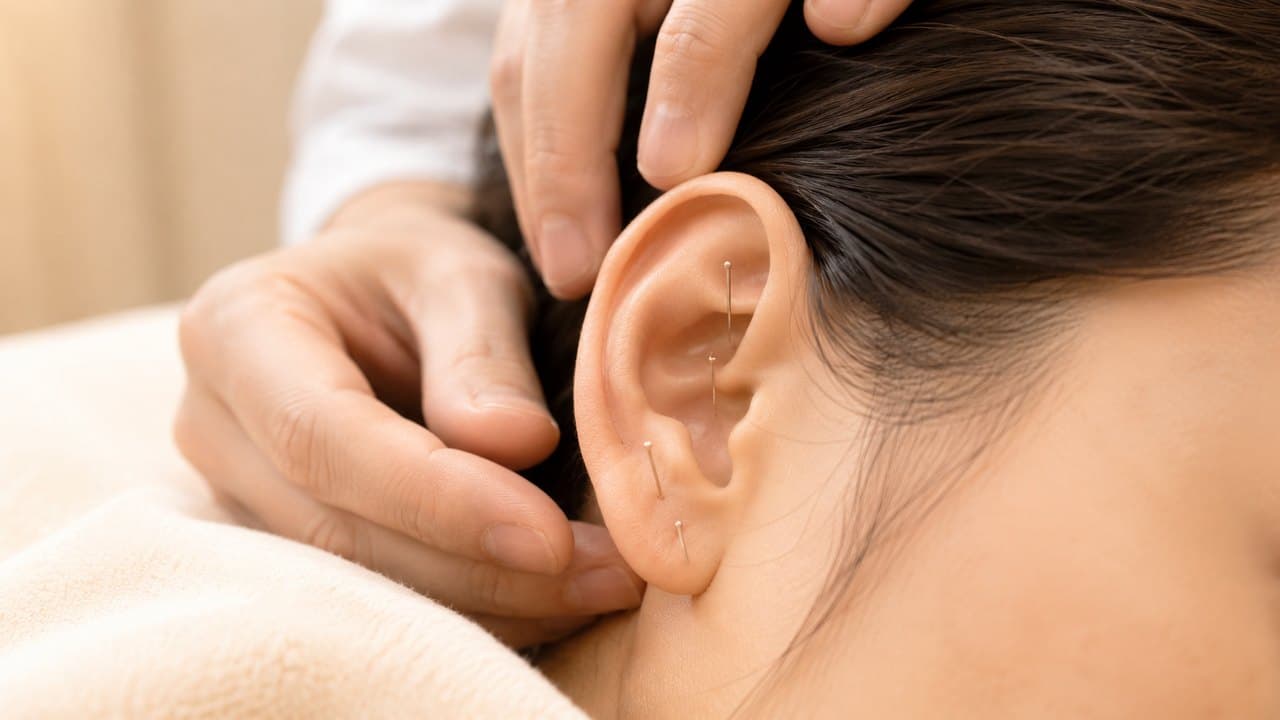
If one ranked the reasons people worldwide come to an acupuncturist, headaches would sit near the top. Acupuncture for pain is the most studied part of TCM: thousands of papers have been published, and pain shows the most consistent research findings.
This is educational material: it does not replace a consultation — it helps you ask the physician the right questions. The area overview is on the TCM page; method details on the acupuncture page.
How TCM looks at a headache
For a TCM physician, 'my head hurts' opens the conversation — it is not a diagnosis. Tension pain from an overloaded neck, pain on the back of poor sleep, 'screen' pain, weather sensitivity — at diagnosis they look different and call for different points and techniques.
A frequent scenario is tension headache from a chronically contracted neck-and-collar zone. Here needles work in tandem with tuina: the reflex response of the points plus manual work on the culprit muscles.
What a course looks like
A session takes 20–40 minutes of needles plus, if needed, manual work; most patients describe deep relaxation. A course builds from several sessions; the physician sets the rhythm by your response.
The physician will ask you to keep a simple diary: when the head hurt, for how long, what preceded it. It is the honest way to assess the course — by facts, not by a vague 'feels better'.
- Needles are sterile and single-use — opened in front of you
- The session is calm and unhurried; many fall asleep
- The point scheme is individual and adjusted through the course
When examination comes first
Headache 'red flags' — sudden thunderclap pain, pain with vision or speech disturbance, after trauma, with fever — call for urgent modern diagnostics, not needles.
The sensible route in the cluster: first the check-up and a consultation, then — by indication — the course. You gain both certainty about the cause and the traditional programme.
Questions
Frequently asked questions
No one can honestly promise in advance: responses are individual. Pain is acupuncture's best-studied field, but the method's relevance in your case is determined by the physician after diagnosis.
Yes — and be sure to tell the physician about it. Nothing should be stopped abruptly; if the scheme is ever revised, only your treating physician does that.
Usually from several sessions at 1–3 per week; onward by dynamics. The physician will propose a plan after the first diagnosis.
Read next
Useful on this topic
Discuss your situation with a coordinator
Describe your medical goal — we'll advise which documents are needed for a preliminary assessment and what the next steps could be.