
Journal
Cellular and regenerative medicine: what it is in plain words, and who it may be relevant to
Without the jargon: what cellular and regenerative medicine is, what areas there are, and why any of them is considered only by indication and after diagnostics.
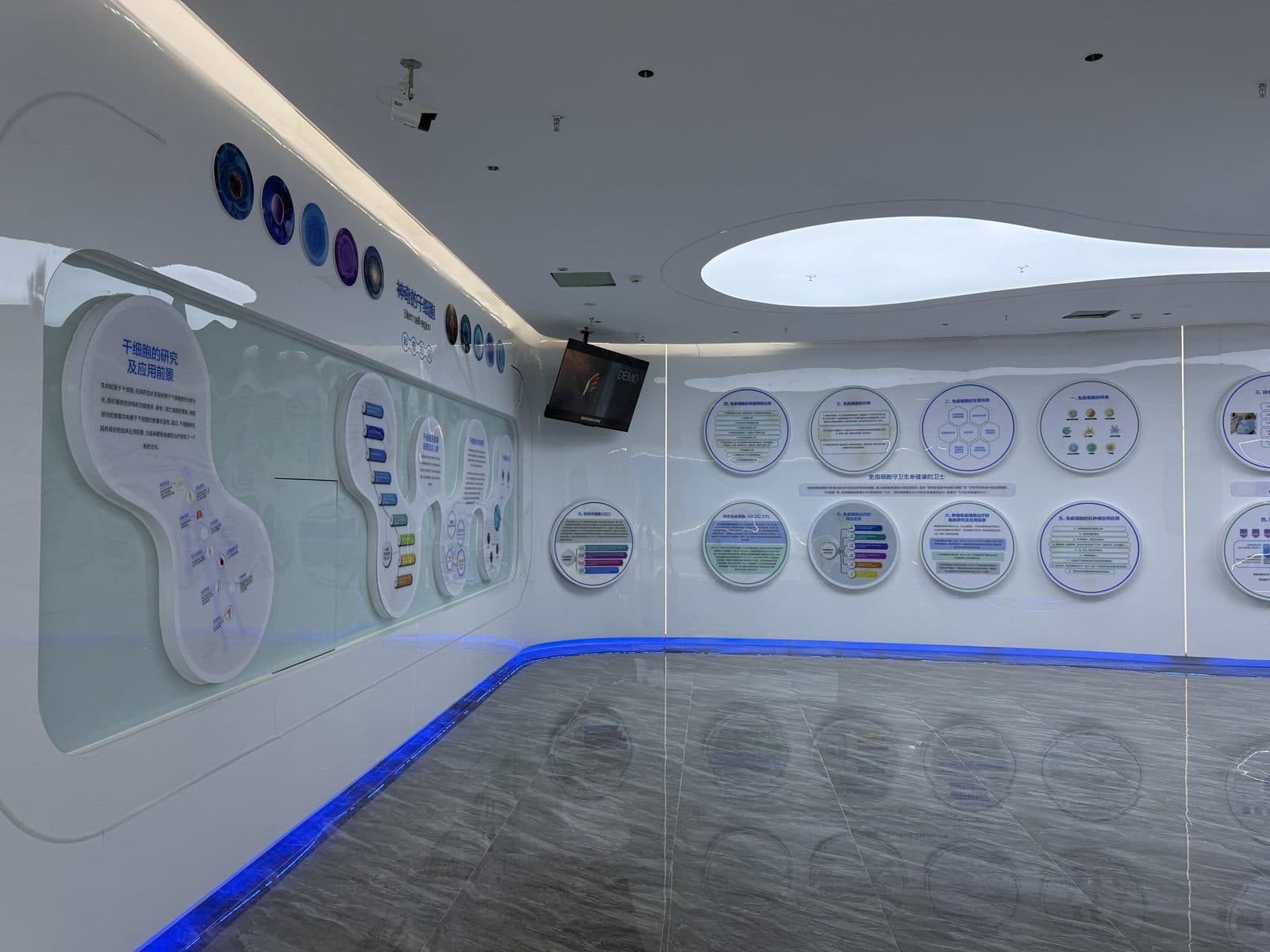
“Cellular medicine,” “regenerative technologies,” “stem cells” — it sounds complex and almost futuristic. In fact the idea is simple, and we'll explain it in ordinary words.
An important caveat up front: this is an overview for general understanding, not a medical recommendation. Whether a specific method suits you is decided only by a physician — after consultation and diagnostics, by indication.
What the idea is
Classical medicine more often acts “from the outside”: a drug, an operation, a procedure. Regenerative medicine tries to engage the body's own recovery resources — to work with the cells and processes responsible for tissue renewal and for immunity.
Hence the name: “regenerative” is about recovery, “cellular” because the instrument is living cells, not a chemical molecule.
What areas there are
Under the umbrella of “cellular medicine” are several approaches that differ in essence. Briefly, the main ones:
- NK therapy — working with cells of innate immunity (NK — “natural killers”)
- Mesenchymal stem cells (MSC) — cells with regenerative potential under active study
- Peptide therapy — short protein molecules involved in regulating processes
- The anti-age area — programmes linked to the processes of ageing
- Neuroregeneration — support for the nervous system's recovery processes
How it works in general terms
Most cellular programmes follow one logic: specialists obtain or prepare cells (often the patient's own), assess their quality and activity in the lab under GMP protocols, then administer them on an individual schedule.
The detailed mechanism differs for each method — we cover it on the individual method pages. What matters here is the principle: this isn't a “magic pill” but a biological process that requires precision and control at every stage.
Who it may be relevant to
Most often such methods are considered by people who want modern approaches to health and prevention, are going through recovery, or are looking for options not yet available at home. But interest is not an indication.
Every programme begins with diagnostics: without assessing indications and contraindications, treatment isn't prescribed. That is the line between responsible medicine and promises.
Questions
Frequently asked questions
The methods are used by medical indication, under GMP protocols, with control of cell quality and under physician supervision. As with any medical procedure, there are indications and contraindications — assessed individually at diagnostics.
It depends on the method. In a number of programmes the patient's own cells are used. Details are on the individual method pages.
No. Cellular methods don't replace standard medical care and don't guarantee a specific result. The decision to use them is made by a physician.
Read next
Useful on this topic
Discuss your situation with a coordinator
Describe your medical goal — we'll advise which documents are needed for a preliminary assessment and what the next steps could be.