
Diagnostics · restoring your reserve
Chronic fatigue: assessment and recovery in China (Boao Lecheng)
“My tests are normal, but I have no energy” is the most common sentence we hear. Persistent fatigue is a symptom, not a diagnosis, and the first step is not an infusion but an explanation. In the Boao Lecheng cluster it starts with comprehensive diagnostics — and only then do recovery programmes come up.
About the condition
Why fatigue is a symptom, not a diagnosis
Persistent fatigue is a symptom, not a diagnosis. Behind it can sit very specific causes: iron deficiency and anaemia, low vitamin D, thyroid dysfunction, hidden inflammation, disturbed sleep and apnoea, raised blood sugar, side effects of medication, and also anxiety and depression.
The difficulty is that a minimal standard panel often misses these — hence the familiar “everything is normal”. An extended assessment looks considerably wider and frequently finds what explains the state.
So the logic is always the same: first find the cause, then decide whether recovery programmes are needed at all. The reverse order is treatment in the dark.
Why people come
The situations we see most often
If one of these is yours, it is worth establishing the stage and the options.
- “Tests are normal, energy is gone”
Assessment at home showed nothing, and the state has not changed.
- Sleep does not restore you
You wake up as tired as when you went to bed.
- Concentration has dropped
It has become harder to hold attention and work at your usual pace.
- Frequent infections
You catch things more often and take longer to recover.
- After a serious illness
Your body never returned to its previous level of energy.
- You want a systematic answer
You want the full picture in one visit, not months of appointments.
Standard care first
What is normally done before anything else
We do not propose replacing proven treatment. On the contrary: without it, any next step loses its meaning.
Before discussing any programme, specific causes are excluded — that is the baseline:
- Extended laboratory work — iron and ferritin, vitamin D and B12, thyroid hormones, glucose, inflammatory markers
- Sleep assessment — snoring and apnoea cause daytime fatigue that vitamins will not fix
- Emotional state — anxiety and depression often present precisely as loss of energy
- Medication review — fatigue can be a side effect of familiar drugs
- Routine and activity — graded activity works better than complete rest
If a cause is found, that is what gets treated — and often it is enough. Cellular programmes are not needed where the answer is correcting a deficiency or treating the thyroid.
Where a programme begins
No programme starts without a work-up
Diagnostics come first: they decide whether the method is indicated in your case and to what extent. From here there are two possible next steps.
The regenerative approach
What the cluster additionally considers
On medical grounds — as an addition to standard care, never instead of it.
- First, the full picture
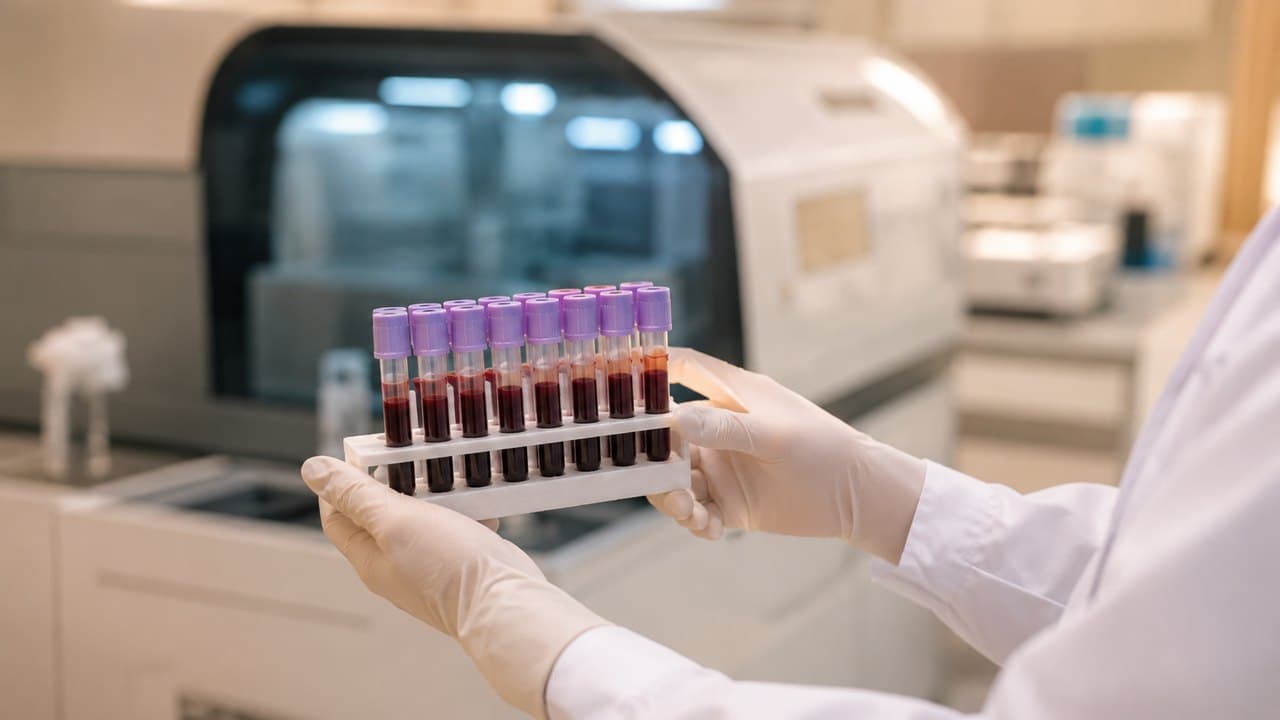
A comprehensive check-up gathers up to 150 markers within days: laboratory work, age-appropriate cancer screening, ultrasound and CT by indication.
- A physician's interpretation
What matters is not the numbers but their reading: the physician explains what was found, what it means and what to do about it.
- Restoring the reserve
If no organic cause is found, the work goes to recovery: routine, activity, correcting deficiencies and, by indication, cellular-medicine programmes.
- The environment matters
A calm climate and an unhurried routine are part of recovery, especially after prolonged depletion.
Methods
Which directions may be considered
What suits your case is determined by a physician after diagnostics.
Comprehensive check-up
Up to 150 markers and a personal plan from specialist physicians — the required first step.
Cellular and regenerative medicine
The directions considered when the body's reserve is depleted — by indication.
NK therapy
The cluster's immune direction — discussed only at the physicians' discretion.
Plainly about the limits
When the regenerative route is not for you
This matters more than any marketing: knowing in advance when the method is not considered.
Cellular programmes are not considered here if:
- Basic diagnostics have not been done — starting a programme without excluding anaemia, hypothyroidism or apnoea means treating the wrong thing
- A specific cause has been found — then that is what is treated, and it is usually more effective
- The leading problem is depression or anxiety — that needs specialist care, not infusions
- There is an acute condition or sharp weight loss requiring urgent local assessment
- A “shot of energy” is expected — quick fixes do not exist in this area
Plainly: the greatest benefit here usually comes from the diagnostics themselves — they turn “unexplained fatigue” into a specific list of things that can be worked on.
How it works
From your records to coming home
- 11. Your request and records
You describe the state and send previous assessments. We translate them for the cluster's physicians.
- 22. The diagnostic plan
The physician sets the scope of the check-up for your situation — essential or comprehensive.
- 33. Assessment in 1–2 days
Laboratory work, instrumental studies and consultations with specialist physicians.
- 44. Review and plan
The physician explains the findings and sets the plan: what to treat, what to adjust, whether programmes are needed.
- 55. Guidance for home
You leave with the clinic's official documents and a clear plan of action.
Why here
What the Boao Lecheng cluster offers
- Depth of assessment
The comprehensive programme covers around 150 markers — considerably wider than the usual minimum.
- Everything in one place
Laboratory, imaging and specialist physicians within days, rather than months of appointments.
- A guided review
A coordinator and interpreter attend the consultations, and the documents you receive are official.
- The option to continue
If the physician sees indications, a programme can start immediately, without a second trip.
Common questions
The essentials
Send your scans — and get a straight answer
A specialist physician in the cluster will look at your stage and say whether the regenerative route is worth considering. The review is free; we do not diagnose online.