
Immunity · cellular medicine
Persistent high-risk HPV: treatment in China (Boao Lecheng)
When a high-risk type will not clear for years and the only advice is to keep watching, the waiting wears you down more than the infection. In the Boao Lecheng cluster, persistence can be met with targeted cellular immunotherapy — by indication, and alongside normal screening rather than instead of it.
About the condition
What “persistent HPV” means
HPV is the most common sexually transmitted infection, and in most people the body clears it within a year or two on its own. The issue is not carriage itself but persistence — when a high-risk oncogenic type (above all 16 and 18) does not clear for years.
It is prolonged persistence, rather than a single positive test, that is associated with the risk of changes in the cervical epithelium. That is why the worldwide approach is regular screening and surveillance: what is treated is the detected change, not “the virus” in general.
And the key thing to know in advance: there is no medicine anywhere that reliably “removes HPV”. Knowing that protects you from promises no one can keep.
Why people come
The situations we see most often
If one of these is yours, it is worth establishing the stage and the options.
- The virus will not clear
Repeat tests keep showing the same high-risk type.
- Watchful waiting is wearing
You are told to “wait and monitor”, and the sense of helplessness only grows.
- Type 16 or 18 detected
The highest-risk types call for careful surveillance.
- Dysplasia was already treated
The changes were dealt with and now you want to reduce the chance of return.
- You want a targeted tool
You want to know whether anything exists beyond waiting — and whether it applies to you.
- Confidentiality matters
The subject is sensitive and you need calm, private support.
Standard care first
What is normally done before anything else
We do not propose replacing proven treatment. On the contrary: without it, any next step loses its meaning.
The worldwide standard for HPV is surveillance and managing changes, not “treating the virus”:
- Regular screening — cytology and HPV testing on the schedule your physician sets
- Colposcopy — where cytology is abnormal
- Treatment of detected dysplasia — for CIN 2–3 the standard approach applies and is not postponed
- Vaccination — by indication and on your physician's advice
- Stopping smoking and addressing factors that weaken local immunity
Cellular immunotherapy does not cancel screening, colposcopy or the treatment of dysplasia. It is considered as an addition in persistence — and only after full diagnostics.
Where a programme begins
No programme starts without a work-up
Diagnostics come first: they decide whether the method is indicated in your case and to what extent. From here there are two possible next steps.
The regenerative approach
What the cluster additionally considers
On medical grounds — as an addition to standard care, never instead of it.
- Targeted to your virus types
The immune cells are prepared for the specific HPV types found in you, not “against the virus” in general. That is why typing is mandatory.
- Diagnostics before starting
Typing, cytology and, where indicated, colposcopy — without them the programme does not begin. This is safety, not formality.
- A course, not one procedure
Cell preparation takes about three weeks, followed by administrations to protocol and a follow-up assessment at 3–6 months.
- Privacy throughout
Support is confidential at every stage — from the first message to the results.
Why finding this matters
You have found what people search for years — and few ever find
The cell medicine you read about in the news is, in most countries, either prohibited or confined to research. Legally, with published prices and under a regulator's oversight, it is practised in one place in mainland China — the Boao Lecheng zone. You are on the site of its official representative. Most people with your diagnosis will never learn this is possible. You have.
What we promise
- A physician reads your records personally and replies in writing.
- If treatment is indicated, you get access to it — at the registry price, with physicians who have used these technologies for years.
- If it is not indicated, we say so plainly rather than sell you a “programme”.
- From the airport to the follow-up after your course, a coordinator in your language is beside you.
Treatment decisions rest with the hospital's physicians — by indication, after the work-up. We promise access, candour and support, not an outcome.
Methods
Which directions may be considered
What suits your case is determined by a physician after diagnostics.
Cellular immunotherapy for HPV
A targeted programme for the types found — the method and protocol in detail.
NK therapy
The cluster's immune direction — considered at the physicians' discretion.
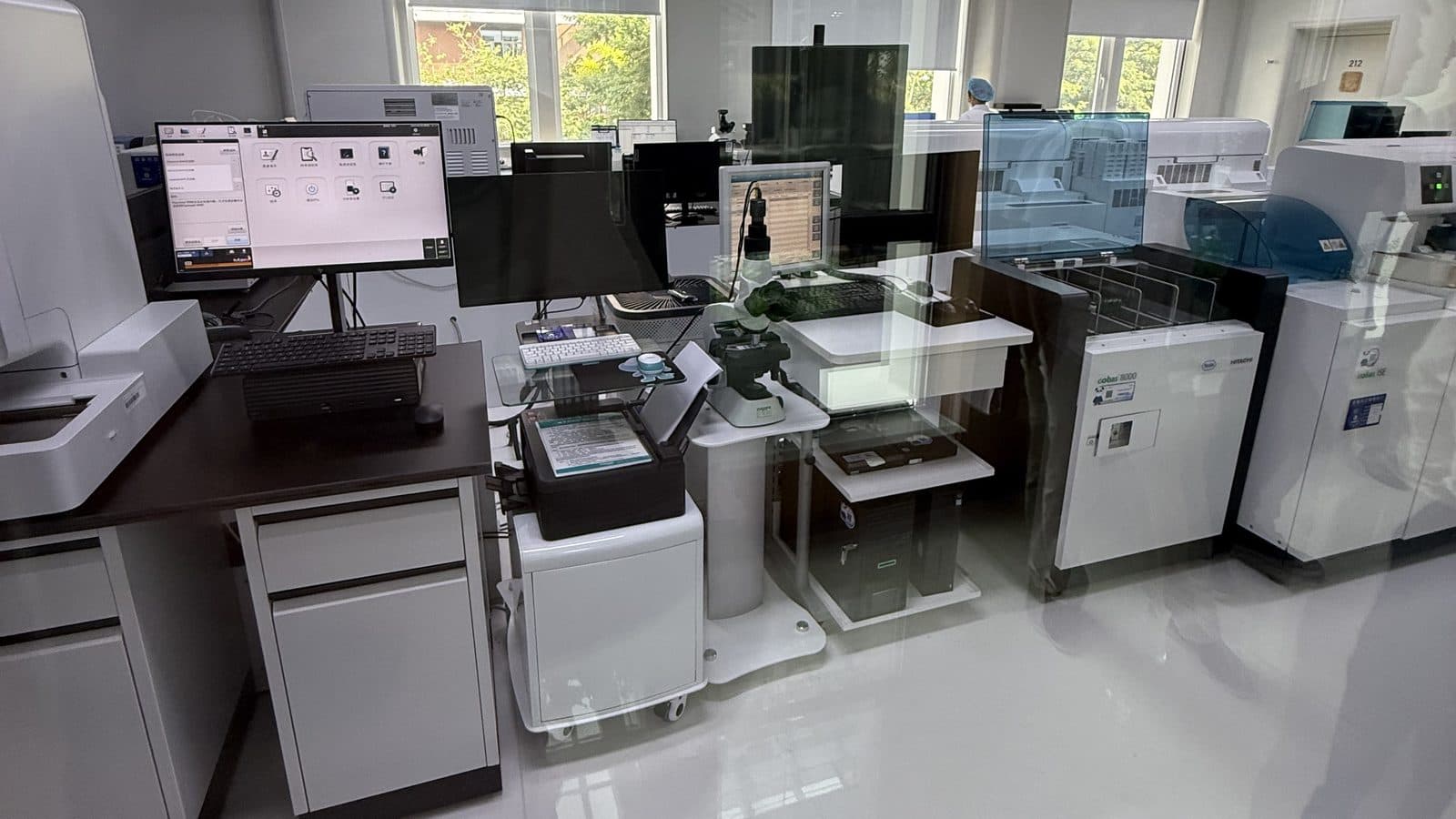
Comprehensive diagnostics
A full picture of your health and the laboratory base before any programme.
Find out within 1–2 days whether a trip makes sense with Persistent high-risk HPV
Send your records and scans — phone photos are fine. Dr Yang reads them personally and replies in writing: what the cluster can add to your treatment, which programme and what it would cost — or says plainly that a trip is not needed.
- 1Send your documents in the messenger you prefer
- 2A physician's written reply within 1–2 days
- 3If indicated — dates and a written estimate before you book
Plainly about the limits
When the regenerative route is not for you
This matters more than any marketing: knowing in advance when the method is not considered.
The method is not a substitute for standard care. In particular, if:
- CIN 2–3 dysplasia is present — standard gynaecological treatment comes first and is not postponed
- Cancer is suspected — that is oncology, and oncologists determine the approach
- Diagnostics have not been done — without typing and cytology the programme does not start
- Pregnancy — the approach is determined separately by a physician
- A guarantee is expected that the virus will disappear — no conscientious clinic promises that
We do not offer to “cure HPV”. We arrange access to a targeted tool a physician may consider in persistence — alongside normal surveillance, not instead of it.
How it works
From your records to coming home
- 11. Records and tests
You send typing and cytology results. We translate them and pass them to a specialist physician.
- 22. Preliminary assessment
The physician reviews the picture and says whether there are grounds to consider a programme. No diagnosis online.
- 33. Diagnostics on site
Examination, colposcopy and further tests where needed, and assessment of contraindications.
- 44. Cell preparation and course
Cells are prepared in a certified laboratory over about three weeks, then administered to protocol.
- 55. Follow-up at 3–6 months
A follow-up assessment to the physician's plan. Routine screening at home continues throughout.
Why here
What the Boao Lecheng cluster offers
- Legality and standards
Cellular preparations are made to GMP / ISO standards in a certified laboratory under state supervision.
- Diagnostics on site
Typing, cytology and colposcopy are available in one place — the programme never starts blind.
- Specialist physicians
The direction is led by the cluster's cellular-medicine physicians together with gynaecologists.
- Confidentiality
A private format of support and interpreting at every stage.

Common questions
The essentials
Records review · free
Send your records to Dr Yang — Persistent high-risk HPV
Leave your name and a convenient way to reach you — the coordinator will tell you where to send your records and scans. Dr Yang reads them personally and replies in writing: whether coming makes sense, which programme and what it costs.